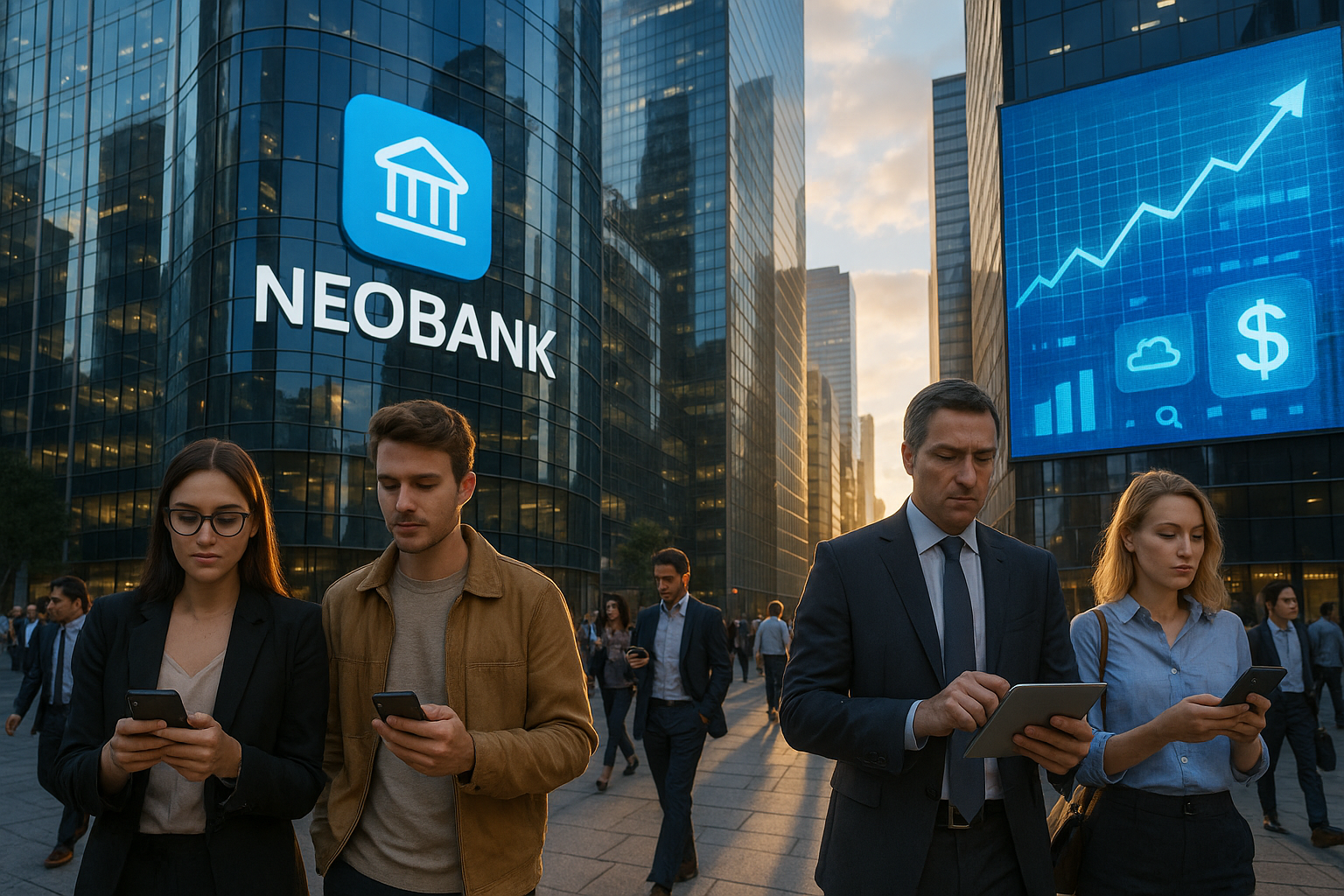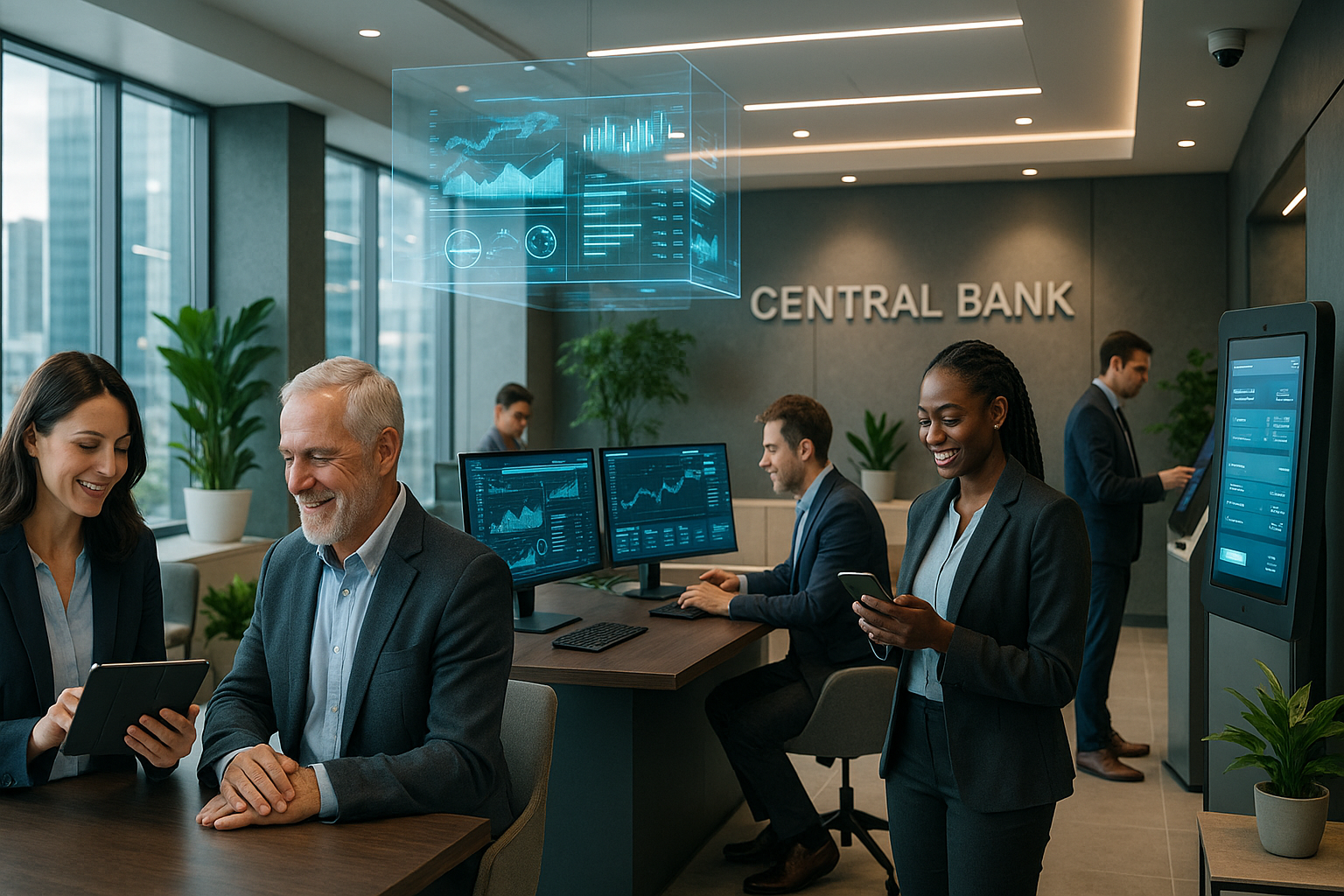
In an age where digital innovation is revolutionizing every aspect of our daily lives, financial transactions are no exception. Gone are the days when transferring money meant visiting a bank, enduring long queues, and filling out tedious paperwork. Today, the world is at our fingertips, and so is our money. Enter the era of peer-to-peer (P2P) payments, a groundbreaking method that has redefined the way we handle financial transactions, making them faster, easier, and more accessible than ever before. 📱💸

As we embark on this journey to explore the power of P2P payments, we’ll delve into how this technology is transforming our financial landscape. From its inception to its current state of widespread adoption, P2P payments have become an integral part of our digital toolkit. But what exactly makes these transactions so compelling? How do they work, and why should we, as consumers or business owners, pay attention?
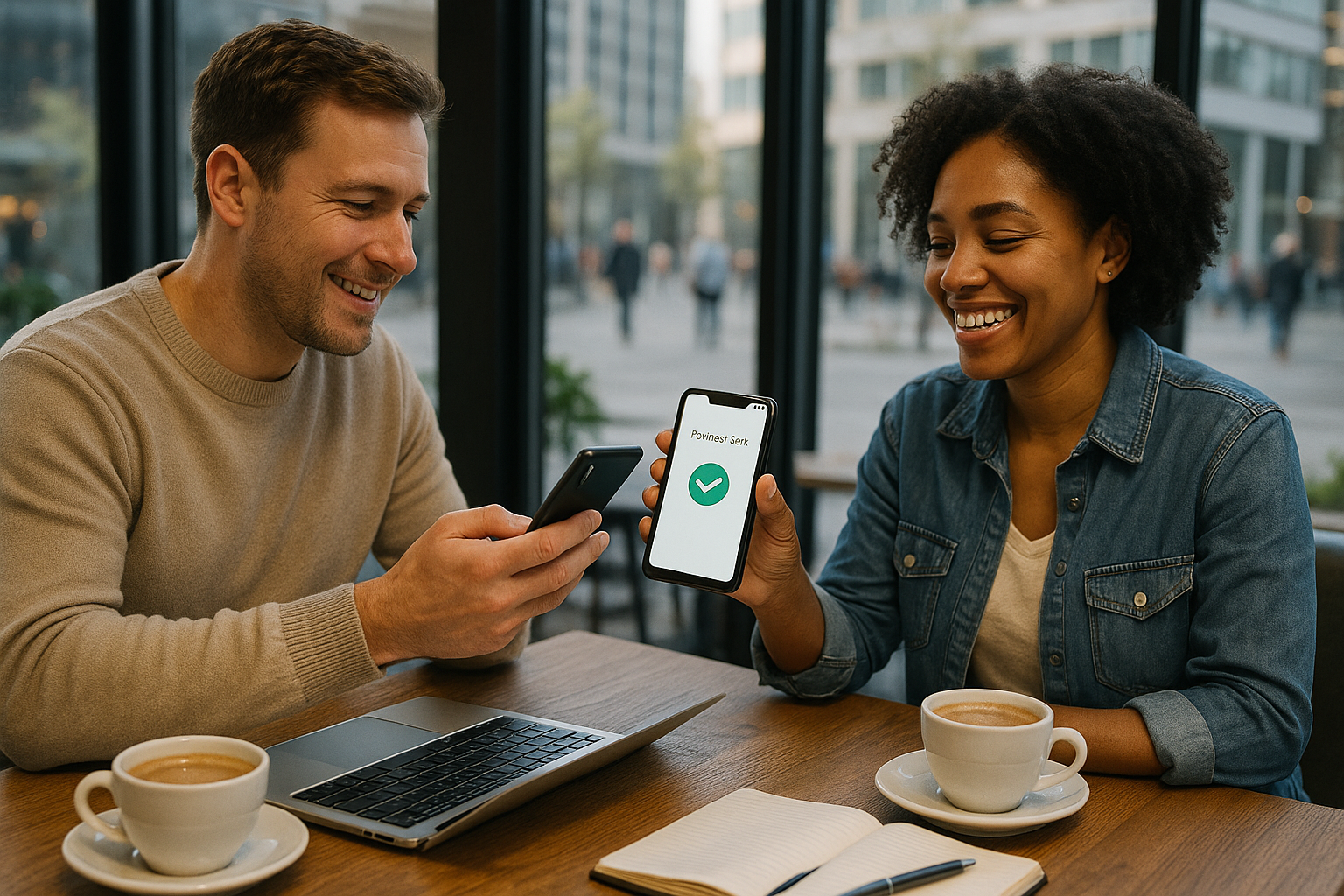
Imagine a world where you can split a dinner bill with friends without scrambling for cash, send money to family across the globe with just a few taps on your phone, or even pay for services seamlessly without the hassle of middlemen. This is the convenience and flexibility that P2P payments bring to the table. As we uncover the layers of this financial innovation, we will explore its mechanisms, benefits, and the potential challenges it presents.
One of the core strengths of peer-to-peer payments lies in their simplicity. These transactions cut out the need for traditional financial institutions as intermediaries, allowing individuals to transfer funds directly to one another. By doing so, P2P payments offer a level of speed and convenience that traditional methods simply cannot match. Whether it’s splitting a bill with friends via apps like Venmo or PayPal, or sending money across borders with services such as Wise, the user experience is designed to be intuitive and straightforward. 🏦➡️👫
But the appeal of P2P payments goes beyond just ease of use. As we’ll discuss, these transactions often come with lower fees compared to traditional bank transfers. For small businesses and entrepreneurs, this can be a game-changer, allowing them to operate with reduced costs and increased efficiency. Moreover, the accessibility of P2P platforms opens doors for those who might be underserved by traditional banking systems, offering a financial lifeline to millions around the world.
Security, of course, is paramount when it comes to financial transactions. While the idea of transferring money directly between individuals might raise concerns, rest assured that P2P payment systems prioritize safety. Through the use of encryption, authentication, and other advanced security measures, these platforms ensure that your transactions are protected from potential threats. We will delve into the security protocols that underpin P2P payments and how they are continually evolving to safeguard users’ funds and personal information. 🔒
As we navigate through this comprehensive exploration, we will also consider the future of P2P payments in the context of emerging technologies. How will blockchain and cryptocurrencies play a role in shaping the next generation of peer-to-peer transactions? What regulatory challenges might arise as this technology continues to evolve, and how will they be addressed? The answers to these questions will provide a glimpse into the future of digital finance and the potential that P2P payments hold.
Join us as we unlock the seamless world of peer-to-peer payments, a revolution that is not only transforming the way we transact but is also reshaping our understanding of money itself. By the end of this article, you’ll have a deeper appreciation for the mechanisms and benefits of P2P payments, armed with knowledge that empowers you to leverage this technology to its fullest potential. Whether you’re a tech enthusiast, a business owner, or simply someone curious about the future of finance, this exploration is designed to enlighten and inspire. Let’s dive in and discover the true power of peer-to-peer payments. 🚀
Unlocking the Future of Transactions: The Rise of Peer-to-Peer Payments
In today’s fast-paced digital world, the way we manage and transfer money is evolving rapidly. Gone are the days when traditional bank transfers were the only option for sending funds. The emergence of peer-to-peer (P2P) payment systems has revolutionized the financial landscape, offering a seamless, efficient, and often cheaper alternative to conventional methods. But what exactly are P2P payments, and why are they gaining so much traction? In this article, we delve into the power of peer-to-peer payments, exploring their benefits, challenges, and their future in the financial ecosystem.
P2P payment systems allow individuals to transfer funds directly from one person to another using a digital platform. Unlike traditional banking methods, which often involve intermediaries, P2P payments cut out the middleman, providing a more straightforward and direct transaction experience. Platforms such as Venmo, PayPal, and Cash App have become household names, offering users the ability to send and receive money with just a few taps on their smartphone. The convenience and speed of these transactions are unmatched, making them an attractive option for many consumers.
But the rise of P2P payments isn’t just about convenience. It’s about empowerment. By enabling direct transactions between individuals, P2P systems democratize financial transactions, giving more control to the users. This shift in power is particularly beneficial in regions where access to traditional banking infrastructure is limited. In such areas, P2P payments can provide a crucial lifeline, enabling economic participation for those who might otherwise be excluded.
The Mechanics of Peer-to-Peer Payments: How Does It Work?
At its core, a P2P payment system functions by linking a user’s bank account or credit card to a digital wallet hosted by the P2P platform. Once set up, users can easily send money to others by selecting a contact and specifying the amount to transfer. The funds are typically debited from the sender’s account and credited to the recipient’s wallet in a matter of seconds.
Most P2P platforms use advanced encryption and authentication protocols to ensure the security of transactions. This is crucial, as the ease of use should not come at the expense of user data and financial security. Moreover, some platforms offer additional features such as transaction histories, notifications, and even social media-like functionalities that make the transaction experience more engaging and interactive.
Despite their simplicity, P2P systems are underpinned by complex technologies. Blockchain, for example, is increasingly being leveraged to enhance the transparency and security of transactions. By maintaining a decentralized and immutable ledger of transactions, blockchain technology ensures that P2P payments are not only fast and cost-effective but also secure from fraud and unauthorized access.
Comparing P2P Platforms: Which One is Right for You? 🤔
With the growing popularity of P2P payments, several platforms have emerged, each offering unique features and benefits. To help you decide which platform best suits your needs, let’s compare some of the most popular P2P services available today.
| Platform | Transaction Fees | Availability | Unique Features |
| Venmo | Free for bank transfers; 3% fee for credit card transactions | USA only | Social feed for transactions |
| PayPal | Varies; free for friends and family within the USA | Worldwide | Integration with e-commerce platforms |
| Cash App | Free for standard transfers; fees for instant deposits | USA and UK | Ability to buy and sell stocks |
Each platform has its own set of advantages and disadvantages. Venmo, for instance, is well-suited for those who enjoy a social aspect to their transactions, as users can share payment notes and transactions in a social feed. On the other hand, PayPal offers a more robust solution for international transfers and business transactions, thanks to its integration capabilities with numerous e-commerce platforms. Cash App stands out with its unique feature of allowing users to invest in stocks directly from the app, making it a versatile choice for those looking to diversify their financial activities.
When choosing a P2P payment platform, it’s important to consider your specific needs and preferences. Whether you prioritize low fees, international availability, or additional financial services, there’s likely a P2P solution tailored to your requirements.
Security in Peer-to-Peer Payments: What You Need to Know
Security is a paramount concern in the digital age, especially when it comes to financial transactions. P2P payment systems must prioritize user security to maintain trust and credibility. Here’s a closer look at how these platforms safeguard your money and data.
- Encryption: Most P2P payment systems utilize end-to-end encryption to protect user data during transactions. This ensures that sensitive information, such as bank account details and transaction amounts, remains confidential and inaccessible to unauthorized parties.
- Two-Factor Authentication (2FA): To further enhance security, many platforms offer two-factor authentication, requiring users to verify their identity through a secondary method, such as a text message code or biometric authentication.
- Fraud Detection: Advanced algorithms and machine learning are employed to detect and prevent fraudulent activities. These systems monitor transaction patterns and flag suspicious activities for further investigation.
It’s crucial for users to remain vigilant and take proactive steps to safeguard their accounts. This includes using strong, unique passwords, keeping software and apps updated, and regularly reviewing account statements for any unauthorized transactions.
The Future of Peer-to-Peer Payments: What’s on the Horizon? 🚀
The landscape of P2P payments is constantly evolving, driven by technological advancements and changing consumer preferences. As we look to the future, several trends and innovations are poised to shape the next generation of P2P payment systems.
One significant trend is the integration of artificial intelligence (AI) and machine learning into P2P platforms. These technologies have the potential to enhance transaction security, streamline processes, and offer personalized user experiences. For instance, AI-driven chatbots could assist users with transactions and queries, while machine learning algorithms could provide tailored financial advice based on user spending habits.
Another exciting development is the growing adoption of cryptocurrencies in P2P payments. Digital currencies like Bitcoin and Ethereum offer decentralized and borderless transaction capabilities, making them an attractive option for P2P transfers. As more consumers and businesses embrace cryptocurrencies, we can expect P2P platforms to integrate these assets into their services, providing users with greater flexibility and choice.
The future of P2P payments also involves greater inclusivity and accessibility. As mobile penetration increases worldwide, particularly in developing regions, P2P payment systems can play a vital role in bringing financial services to unbanked and underbanked populations. By leveraging mobile technology, P2P platforms can empower individuals to participate in the global economy, driving economic growth and financial inclusion.
For more insights into the future of peer-to-peer payments, check out this informative video: “The Future of P2P Payments” – FinTech Insights Channel
As the P2P payment industry continues to innovate and expand, it presents a wealth of opportunities for both consumers and businesses. Whether you’re looking to simplify your financial transactions, explore new investment avenues, or contribute to global financial inclusion, peer-to-peer payments offer a powerful and transformative solution.
Conclusion
### Conclusion: Embracing the Future of Seamless Transactions 🌟
In our exploration of peer-to-peer (P2P) payments, we have navigated through the intricacies and immense potential of this transformative financial technology. From the historical evolution of transactions to the dynamic innovations in digital finance, P2P payments have emerged as a cornerstone for a more inclusive and efficient global economy.
#### Recap of Key Points
1. **Understanding Peer-to-Peer Payments**: We began by defining P2P payments, highlighting how these platforms enable individuals to transfer funds directly without intermediaries. This directness reduces costs and increases transaction speed, benefiting users globally.
2. **Technological Advancements**: The role of technology has been pivotal. Blockchain, mobile apps, and real-time processing systems have revolutionized how we perceive and execute financial transactions. These innovations ensure security, transparency, and reliability in P2P payments.
3. **Financial Inclusion**: One of the most compelling advantages of P2P payments is their contribution to financial inclusion. By bypassing traditional banking systems, P2P platforms provide underserved populations with access to financial services, empowering them economically and socially.
4. **Economic Impact**: On a macroeconomic scale, P2P payments facilitate smoother cross-border transactions and reduce dependency on traditional financial infrastructures. This fosters international trade and supports global economic growth.
5. **Security and Privacy Concerns**: We delved into the challenges, particularly security and privacy concerns. While technology has made transactions more secure, ongoing vigilance and regulatory frameworks are essential to protect users from fraud and data breaches.
6. **Future Prospects**: The future of P2P payments is promising, with trends pointing towards greater integration of AI and machine learning to enhance user experience and security. Additionally, the expanding reach of the internet and mobile technology will continue to drive the adoption of P2P solutions worldwide.
#### The Importance of Embracing P2P Payments
The significance of peer-to-peer payments cannot be overstated. They represent more than just a convenience; they are a catalyst for change in the financial landscape. By democratizing access to financial services, P2P payments have the potential to bridge gaps between different economic strata and foster equitable growth. They also encourage innovation in how we handle money, paving the way for future advancements that could redefine global financial systems.
As we stand on the brink of this new era in financial technology, it is crucial for individuals, businesses, and policymakers to embrace the possibilities P2P payments offer. By doing so, we can collectively drive progress towards a more connected and financially inclusive world.
#### Engage and Take Action
We encourage you to think about how you can integrate P2P payment solutions into your daily life or business operations. Consider the benefits they offer, from cost savings to improved transaction speed, and explore how they can enhance your financial interactions.
Moreover, join the conversation! Share your thoughts and experiences with P2P payments in the comments section below. Have you found a particular platform that works well for you? What challenges have you encountered, and how did you overcome them? Your insights could help others navigate their journey towards seamless transactions.
Feel free to share this article with your network to spread awareness about the power of P2P payments. The more people understand and utilize these systems, the stronger and more resilient our financial networks will become.
#### Closing Thoughts 💡
In conclusion, the world of peer-to-peer payments is not just a fleeting trend; it is an enduring shift towards a more open and accessible financial ecosystem. By embracing this change, we are not only simplifying transactions but also contributing to a broader movement towards financial empowerment and sustainability.
Let us continue to explore, innovate, and advocate for technologies that break down barriers and create opportunities for all. Together, we can unlock the full potential of seamless transactions and step confidently into a future where financial freedom is within everyone’s reach.
Thank you for joining us on this journey. We look forward to hearing your thoughts and continuing the conversation. Let’s make seamless transactions a reality for everyone! 🚀
For further reading and resources on P2P payments, visit [Investopedia’s Guide to P2P Payments](https://www.investopedia.com/terms/p/peer-to-peer-p2p-service.asp) and [TechCrunch’s Latest Innovations in P2P Payments](https://techcrunch.com/tag/peer-to-peer-payments/).
These links provide comprehensive insights and updates on the ever-evolving landscape of peer-to-peer payments. Stay informed and be part of the change!